
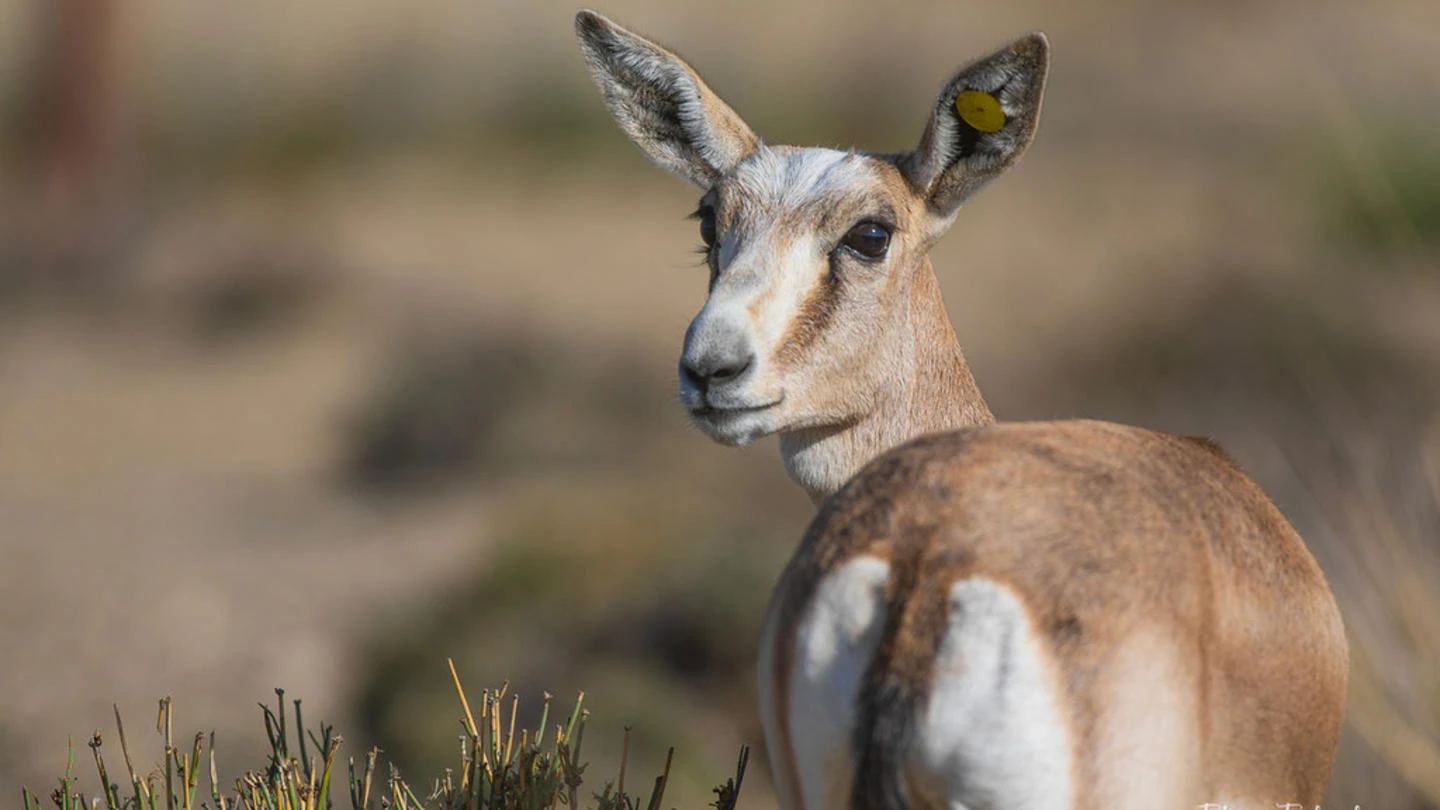
Goitered Gazelles of Kyrgyzstan: The Return of a Lost Symbol of the Steppe
The goitered gazelle (Gazella subgutturosa) is one of the most graceful mammals of Central Asia. For centuries, these elegant antelopes roamed the vast steppes and semi-deserts of present-day Kyrgyzstan. Renowned for their remarkable speed, slender build, and exceptional agility, goitered gazelles have long been considered a symbol of freedom and the untamed beauty of the Central Asian wilderness. However, by the end of the 20th century, the species had disappeared from Kyrgyzstan due to poaching, habitat loss, and increasing human activity. Today, Kyrgyzstan is undertaking one of its most significant wildlife conservation projects—the restoration of the goitered gazelle population in its natural habitat. The initiative began with the establishment of the Jeyren-Ordo conservation center in the Ton District of the Issyk-Kul Region. Gazelles were carefully introduced from Uzbekistan, where stable populations of the species still exist. In spacious acclimatization enclosures, conservationists and veterinarians ensured the animals adapted successfully before preparing them for life in the wild. In the summer of 2025, a historic milestone was reached when 30 goitered gazelles were released into the wild along the southern shore of Lake Issyk-Kul. Before their release, several animals were fitted with GPS tracking collars, enabling researchers to monitor their movements, behavior, and adaptation in real time. The results have been highly encouraging. According to wildlife specialists, the gazelles quickly adjusted to their new environment, naturally forming small herds and exploring the surrounding steppe landscapes. They have successfully avoided human settlements and roads while finding suitable grazing areas and natural water sources. Monitoring has confirmed that no animals have been lost, and all tracked individuals remain in good physical condition, demonstrating the success of the reintroduction program. To ensure the long-term survival of the species, Kyrgyzstan is establishing the Jeyren-Ordo State Zoological Reserve. The reserve will protect key habitats, prevent illegal hunting, and support the natural growth of the gazelle population. Conservation efforts also include camera traps, continuous ecological monitoring, and close cooperation with local communities to promote wildlife protection. Experts believe that with continued conservation measures, the number of goitered gazelles will steadily increase over the coming years. Additional releases are planned, with the long-term goal of restoring a self-sustaining wild population across areas where these animals once thrived. The return of the goitered gazelle represents far more than the recovery of a single species. It is a powerful example of successful conservation, proving that endangered wildlife can return when science, government institutions, and local communities work together. Today, encountering a gazelle in the steppes of Issyk-Kul is becoming a symbol of hope—a reminder that nature can recover when given the opportunity.