
Karakol – The Cultural Heart of Eastern Kyrgyzstan
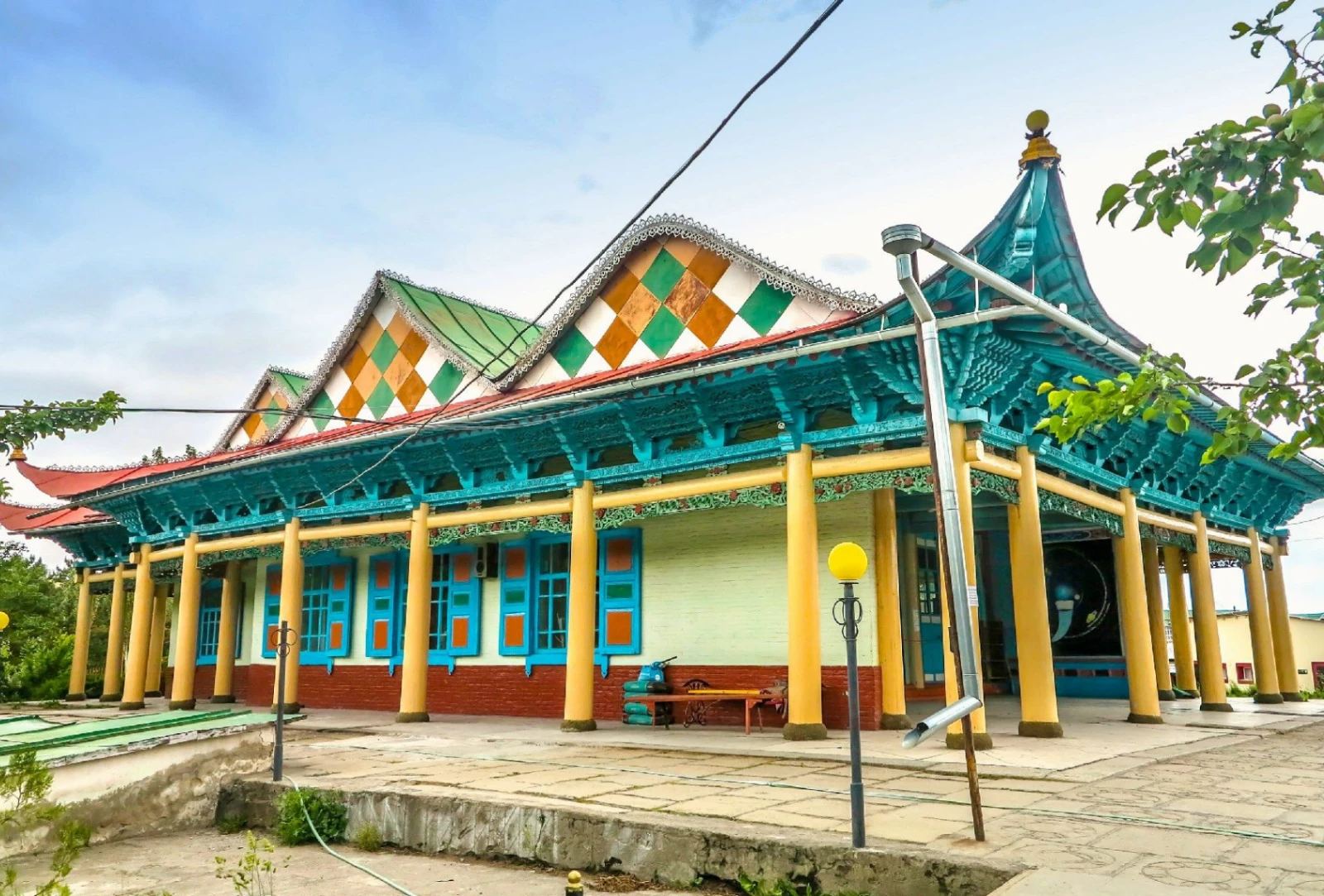
Nestled at the eastern tip of Lake Issyk-Kul and surrounded by the majestic peaks of the Terskey Ala-Too Mountains, Karakol is one of Kyrgyzstan's most charming and historically rich cities. Founded in 1869 as a Russian military outpost, Karakol has grown into the administrative center of the Issyk-Kul Region and a gateway to some of the country's most spectacular natural landscapes. Today, it is a vibrant destination where history, culture, architecture, and outdoor adventure come together. For more than 150 years, Karakol has been home to a diverse mix of ethnic communities, including Kyrgyz, Russians, Dungans, Uighurs, Tatars, and others. This multicultural heritage has shaped the city's unique identity, reflected in its architecture, traditions, and cuisine. Walking through Karakol, visitors can experience a fascinating blend of Central Asian, Russian, and Chinese cultural influences. One of the city's most remarkable landmarks is the Dungan Mosque, an extraordinary example of wooden architecture built between 1907 and 1910 by Dungan craftsmen who had migrated from China. Constructed entirely without nails, the mosque features beautifully carved wooden columns, brightly painted decorative details, and elegant roofs inspired by traditional Chinese pagodas. Its distinctive design makes it one of the most unique mosques in Central Asia and a symbol of Karakol's multicultural history. The mosque continues to serve as an active place of worship while welcoming visitors from around the world. Another architectural treasure is the Holy Trinity Orthodox Cathedral, one of the oldest churches in eastern Kyrgyzstan. Originally built in the late 19th century, the wooden cathedral has survived earthquakes, political upheavals, and decades of Soviet rule. Its graceful domes, handcrafted wooden interior, and peaceful atmosphere make it one of the city's most important spiritual and historical landmarks. Today, it remains an active Orthodox church and an impressive example of traditional Russian ecclesiastical architecture. History enthusiasts can also visit the Karakol Historical Museum, which showcases archaeological discoveries, ethnographic collections, traditional nomadic artifacts, and exhibitions illustrating the development of the Issyk-Kul region. Nearby is the Nikolai Przhevalsky Memorial Museum, dedicated to the famous Russian explorer who devoted much of his life to exploring Central Asia. His memorial complex, located on the picturesque shore of Lake Issyk-Kul, is one of the city's most significant historical sites. Karakol is widely recognized as the adventure tourism capital of Kyrgyzstan. It serves as the starting point for journeys to some of the country's most breathtaking destinations, including Altyn Arashan, Jeti-Oguz, Karakol Gorge, and Ak-Suu Gorge. Visitors can enjoy hiking, horseback riding, mountaineering, mountain biking, and relaxing in natural hot springs during the summer months. In winter, the nearby Karakol Ski Resort attracts skiers and snowboarders with its excellent snow conditions, scenic mountain views, and well-maintained slopes. The city is equally famous for its rich culinary traditions. Thanks to its multicultural population, Karakol offers an exceptional variety of local dishes. Visitors should not miss the legendary Ashlyan-Fu, a cold Dungan noodle dish unique to the region, as well as traditional Kyrgyz Beshbarmak, handmade Laghman, steamed Manti, and freshly baked Samsa. Exploring Karakol's local cafés and markets is an unforgettable experience for food lovers. Today, Karakol is much more than a destination on the map—it is a place where ancient nomadic traditions, diverse cultures, remarkable architecture, and breathtaking mountain scenery come together. Whether you are interested in history, nature, outdoor adventures, or authentic local culture, Karakol offers an unforgettable journey into the heart of Kyrgyzstan.